Table Of Content
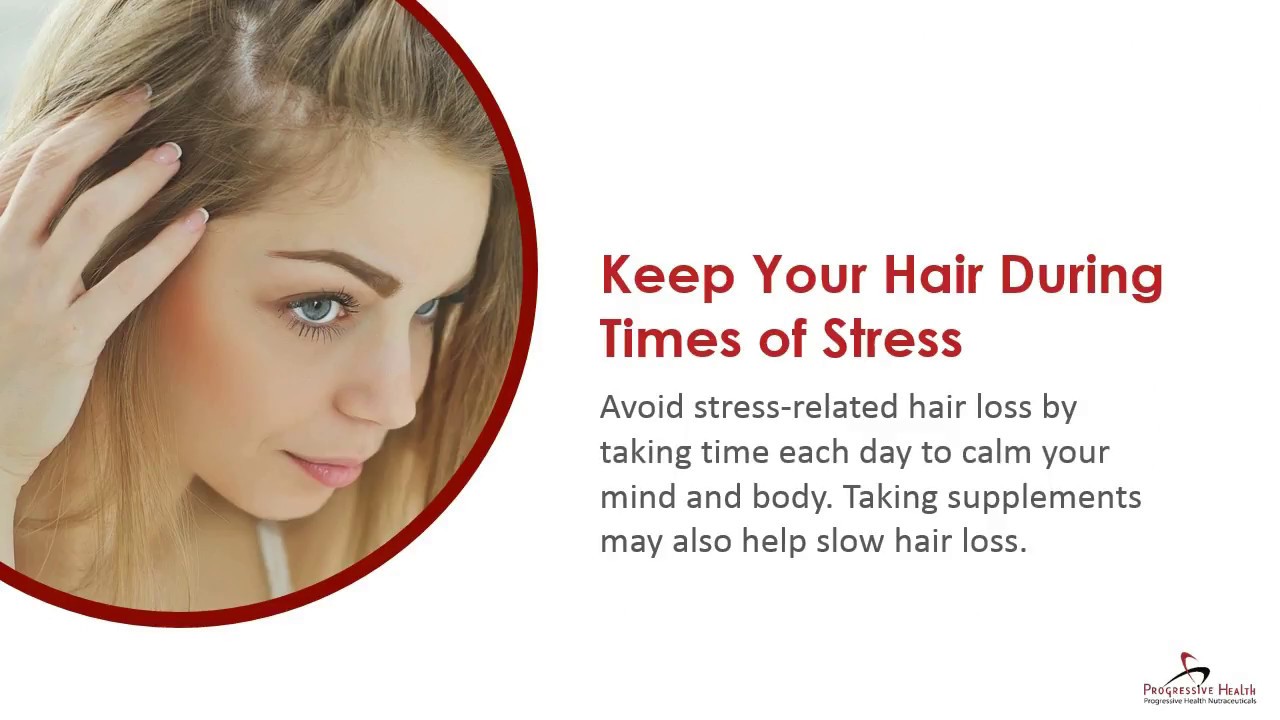
A team led by Dr. Ya-Chieh Hsu of Harvard University studied the underlying mechanisms that link stress and hair loss. The study was supported in part by NIH’s National Institute of Arthritis and Musculoskeletal and Skin Diseases (NIAMS). If you have telogen effluvium, your scalp should look healthy.
Become a Member of Our Health and Wellness Email List
While some people might experience hair loss as early as puberty, others might not notice symptoms until their middle ages. Baldness (androgenic alopecia) is the most common type of hair loss. As part of your hair’s growth cycle, new strands grow and take the place of the ones you shed. Stress hair loss, or telogen effluvium, looks like hair falling out quickly from combing, washing, or even just touching the hair. The hair on the scalp may be thinning, but the scalp looks healthy and does not have scales or rashes.
Management and Treatment
A healthcare provider will do a thorough examination and take a detailed history to understand changes in your hair growth. Your provider will also ask about what medications or supplements you currently take. Telogen effluvium is the most common form of hair loss, or alopecia. Because it’s a condition of the scalp, if you notice rapid hair loss, you may wish to see a dermatologist for an evaluation. A shock to your system, including a stressful event or season, can cause hair loss.

What is the prognosis for hair loss in women?
Over time, hair can fall out more easily, even if you’re just washing, combing, or touching it. Telogen effluvium also can be caused by poor nutrition and changes in hormone levels. In some circumstances, hair does not fully return to its normal density.
While the exact reason for this type of hair loss is unknown, it is generally understood that “the immune system mistakenly attacks hair follicles, leading to hair loss,” she adds. By contrast, scarring alopecia, another autoimmune disease that causes hair loss, is often accompanied by itchiness, tenderness and scaling of the scalp. Scarring alopecia is the most devastating type of hair loss, Mirmirani says, because it permanently destroys the hair follicles.
Why You're Losing More Hair and the New Science to Help Regrow It - Oprah Mag
Why You're Losing More Hair and the New Science to Help Regrow It.
Posted: Mon, 11 Sep 2023 07:00:00 GMT [source]
Prevention
Prescription medications, like finasteride (Propecia), may help prevent further androgenetic hair loss, especially for male pattern baldness. You take this medication daily to slow hair loss, though some experience new hair growth when taking finasteride. Telogen effluvium is a type of hair loss that involves rapid shedding of hair over a short period. It typically happens a few months after your body goes through something physically or emotionally stressful. Hair loss due to telogen effluvium is usually temporary, and your hair often grows back without treatment once you no longer have that stress. Telogen effluvium can be stressful, and you may fear that you’ll lose all of your hair.
What is telogen effluvium?
Treatments include hormone replacement therapy (HRT) to restore hormonal balance, minoxidil to promote hair growth, and supplements like biotin and iron to support hair health. Additionally, lifestyle changes and stress management can help mitigate hair loss symptoms,' says Dr. Balwi. Baldness is often hereditary, and is activated by a shift in your hormones. In men, this is known as male pattern baldness; in women, female pattern baldness. This type of hair loss is really common, probably affecting 50% of men over 50, and 40% of women over 50. The symptoms of hair loss caused by stress can vary on the person and the type of hair loss you’re experiencing.
Taking Care of Your Hair
“When looking for factors that control stem cell behaviors, normally we would look locally in the skin. After establishing the link between the stress hormone and hair follicle stem cell activity, the researchers looked for the biological mechanism underlying the connection. A healthcare provider can confirm it during a physical examination of your scalp. They may conduct a “pull test,” in which they gently pull a small clump of 40 to 60 hairs between their fingers.
Telogen effluvium is one of the most common causes of rapid hair loss. It’s also one of the most common causes of hair loss in women and people AFAB. Learning how to effectively manage your stress levels may help you reduce your risk for further hair loss. The hair may grow back and fall out repeatedly over a period of time. AA can affect men and women of any age, affecting over six million people in the United States. It’s often seen in patches, especially toward the center of the scalp.
Telogen effluvium affects your hair when it’s in the telogen stage. After a stressor or change to your body, up to 70% of your hair in the anagen stage prematurely enters the telogen phase, which causes hair loss. If your hair loss has been triggered by stress, managing your stress could be the key to returning to a healthy rate of hair growth. If your hair loss is caused by stress, it’s possible for your hair to grow back in time.
For a detailed guide to treatments for alopecia areata, consult this page on the Alopecia UK website. See a dermatologist as soon as possible when you notice hair loss. With minoxidil, you might also see hair growing in places other than your scalp (cheeks and forehead, for example). Wash your face after you apply minoxidil and make sure you avoid other areas when you apply it. A healthcare provider might recommend using minoxidil (Rogaine®). You can purchase the 2% or 5% solution over the counter (OTC).
For one, telogen effluvium can uncover other types of long-standing hair loss (like female pattern). Additionally, overall hair density is expected to slowly decrease with age, and in few (usually women aged 30-60), telogen effluvium can be chronic and lasts for multiple years. Being gentle with your hair while it’s experiencing change is important so as not to exacerbate any thinning.
There are several types of hair loss, some are common and some are rarer, and each with different underlying causes. It’s typical to lose between 50 and 100 hairs a day, according to the American Academy of Dermatology (AAD). With about 100,000 hairs on your head, that small loss isn’t noticeable. New hair normally replaces the lost hair, but this doesn’t always happen.


No comments:
Post a Comment