Table Of Content
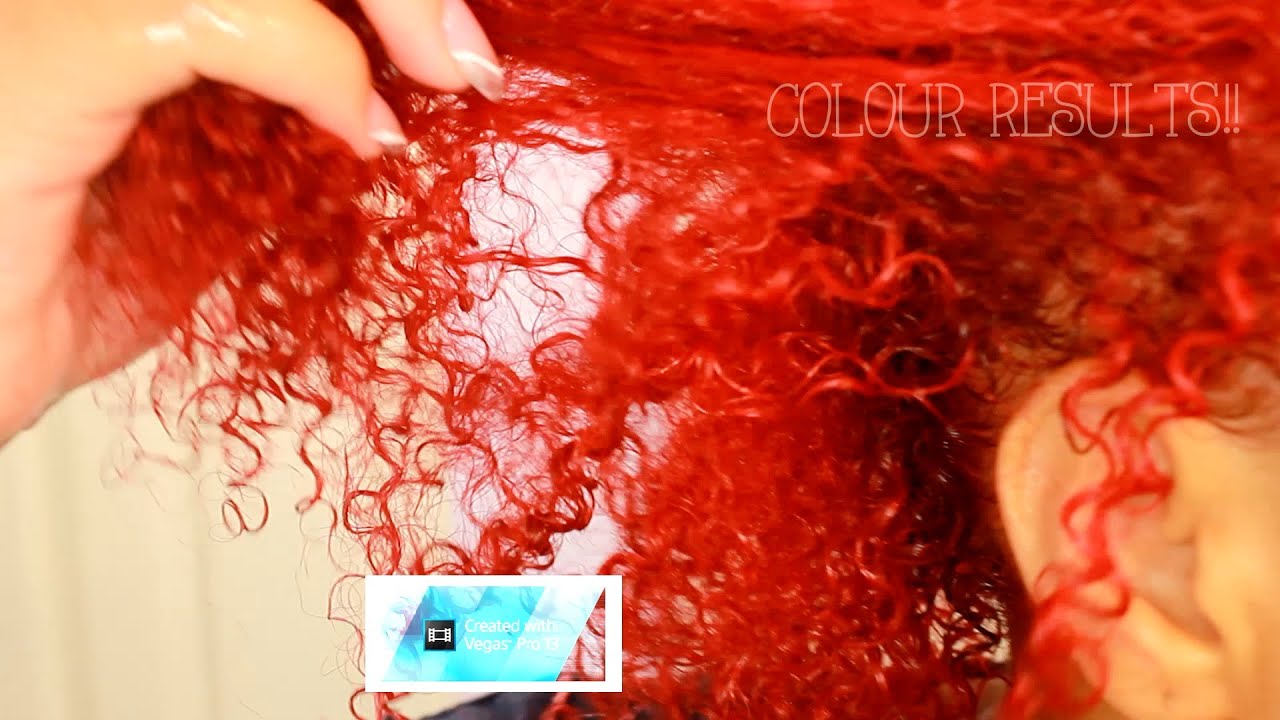
“Protein, moisture, bond repair, and a heat protectant should be included in a bleached hair routine. In general, healthy virgin hair tends to lighten more quickly since it hasn’t undergone any chemical processing. First-timers should be especially cautious about letting bleach sit for longer than necessary. The same goes for fine hair types, as fine strands lift faster than thick or coarse ones. Whether you’re toying with going blonde or are ready to swap your espresso mane for a trendy pastel pink, your transformation will likely require a round (or two) of hair bleach. You may think visiting a colorist is the only way to achieve the shade pinned to your vision board, but that’s far from the only option nowadays.
L’Oréal Quick Blue Powder: Best bleach for brown hair
But before we start, a few things you must read up on before you bleach and tone. My personal favorite is the Matrix Total Results Brass Off, but there are tons of great purple shampoos to choose from. Once all the necessary materials and prep have been done (and you’ve fully committed to going blonde) you’re ready to make the bleach mixture. This is where the strand test comes in handy again, as you will know what your hair will look like after bleaching. It will save you potential headaches later on, as you will know what to expect. In the pack you will receive cream bleach, accelerator, mixing cup, and a spatula.
The 5 Best Hair Bleach Kits for Amateurs in 2024
Use your hair clips to divide your dry, unwashed hair into four manageable sections. Brush your bleach mixture evenly over each section of hair, starting about one inch down from your roots. This placement is key since your roots tend to process more quickly from your body heat. Once you evenly saturate every section of hair with bleach, sweep it onto your roots last. If you’re a fan of bright colours and interesting shades, you’ve almost definitely heard of Bleach London.
The General Hair Bleaching Process – a Step by Step Guide
If You’re Going To Bleach Your Brows, This Is the *Only* Way To Do It, According to a Dermatologist and a Hairstylist - Well+Good
If You’re Going To Bleach Your Brows, This Is the *Only* Way To Do It, According to a Dermatologist and a Hairstylist.
Posted: Thu, 24 Aug 2023 07:00:00 GMT [source]
To do a strand test it may be easiest to cut off a small strand, around 2 inches, from the back on the underside of your hair so it won’t be noticeable. You can also do the test without cutting by separating a strand and tying it off. As the tube contains quite a small amount of the bleach, it is the perfect product for root touch-ups. You can, however, dilute the developer to your liking with water to obtain the volume you want. Byrdie contributor Esme Benjamin checked and updated this article in December 2023 to ensure every detail was correct and each product deserves its place on Byrdie’s list.
What bleach is best for black hair?
Because of this it’s highly advised to get a toner to achieve a good result. The bleach powder is de-dusted and contains ingredients that provide a non-drip cream when mixed with a developer. The kaolin in the formula keeps the moisture to prevent the cream from drying out as you work. L’Oreal is the pioneer in hair highlighting, with the founder of the company discovering that hydrogen peroxide is a safe way to lighten your hair.

Keep in mind that you should wait for at least two weeks after you bleach your hair before you start using the purple shampoo. Your strands will be porous and highly absorbent the first weeks after lightening, and purple-tinted products can change your hair color. For bleaching your hair, you’ll need bleach powder or liquid and a developer. The developer opens your hair cuticles to allow the pigment to leave the hair shaft.

A DIY bleach job gone wrong can lead to frizzy, parched, straw-like hair. "Hydrogen peroxide in hair coloring kits opens up the hair cuticles and some of the natural pigments in hair will leech out and give a lighter color," says King. "If you apply hair colorant and seal in with a conditioner, then that's how you color hair." Hair strands with a fine texture are more prone to damage than coarse or medium hair.
How to Fix Bleached Hair, According to a Celebrity Colorist - Who What Wear
How to Fix Bleached Hair, According to a Celebrity Colorist.
Posted: Sun, 16 Oct 2022 07:00:00 GMT [source]
If you fall into the fine hair camp, deep conditioning masks can take all the volume out of your hair and leave you with lifeless, flat-as-can-be roots. Its vitamin-enriched, oil-infused, and shea butter-centric formula delivers lightweight hydration that can't be beaten. If bleach is just a pit stop on your way to a more vibrant shade, now may be the time to apply your color. Temporary, semi-, and demi-permanent dyes are typically fine to use post-bleaching. However, if you plan to apply permanent dye to your bleached hair, it’s best to wait a few days or weeks to give your strands time to recover. A week before bleaching, it’s also a good idea to limit your hot tool usage.
The inclusion of succinic acid is at the heart of the advanced bonding system. The acid is a patented ingredient that forms bridges in the hair structure, resulting in healthier, less damaged hair. This is very important, as cysteine bridges are broken during the oxidation, resulting in weakened and brittle hair. The Manic Panic bleach kit is the most popular option among at-home-bleachers, and for a good reason. The company has been creating cruelty-free, vegan products since the late 70s.
We’ve looked at the 5 best hair bleach kits that can help you achieve salon-quality results in the comfort of your own home. Hair color depth is measured in levels from 1 (darkest black/brown) to 10 (lightest blonde). Identifying your current hair color depth is essential to choose the bleach powder that will work best on your locks. Overall, our favorite professional hair bleach is Wella Blondor Powder Lightener, a colorist-recommended formula that offers gentle lifting while minimizing yellowish tones.
Hair color consists of the main color as well as the undertone – similarly to your skin. The color itself is quite easy to get out, but then what you’re left with is the undertone. Red pigments are harder to oxidize and remove out of the hair shaft, causing the brassy tint after bleaching. Check out the chemistry corner if you’re interested in the science behind natural hair color. Much more gentle than the standard hair bleach, this uses only hydrogen peroxide for the bleaching process.


No comments:
Post a Comment